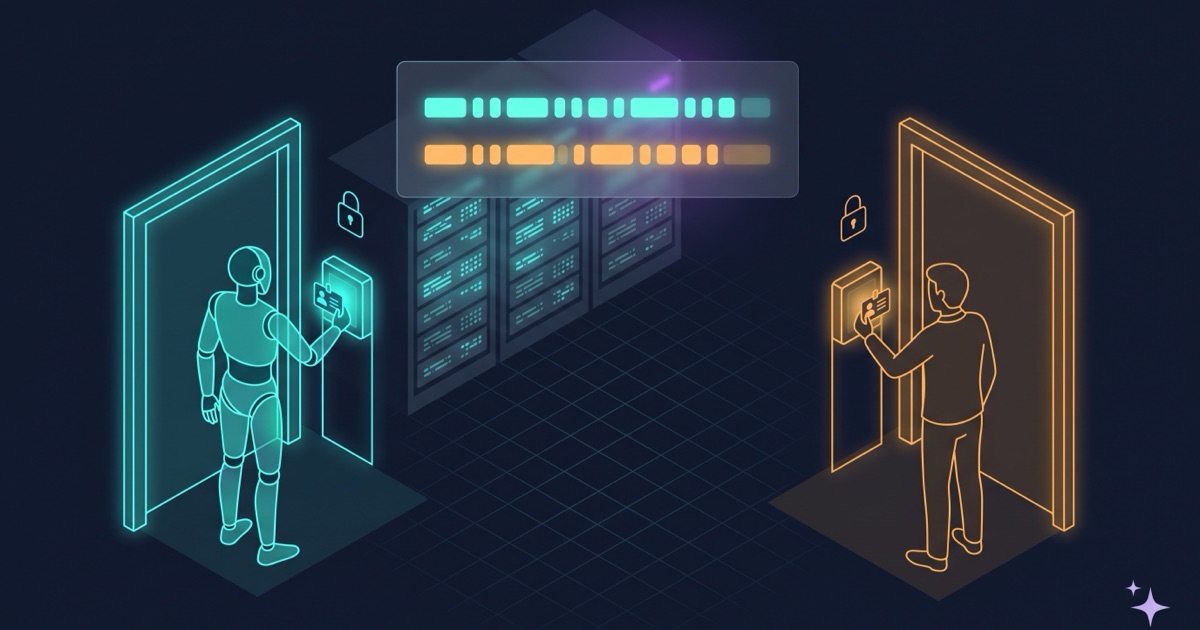
An agent and a person entering a server room through separate doors, each with its own badge and its own line in the access log

Agents as users of the infrastructure

Your agents write code, open PRs and maybe SSH into your machines. Stop and check what permissions they actually have while doing it, and don’t put your trust in policy files and the like. You will find the same access-control problems as always, the ones that show up the moment somebody who is not you starts logging into your servers. Why does it happen? Because you treat agents as tools and not as users. ...
September 4, 2026 · 6 min · Juanjo Payá
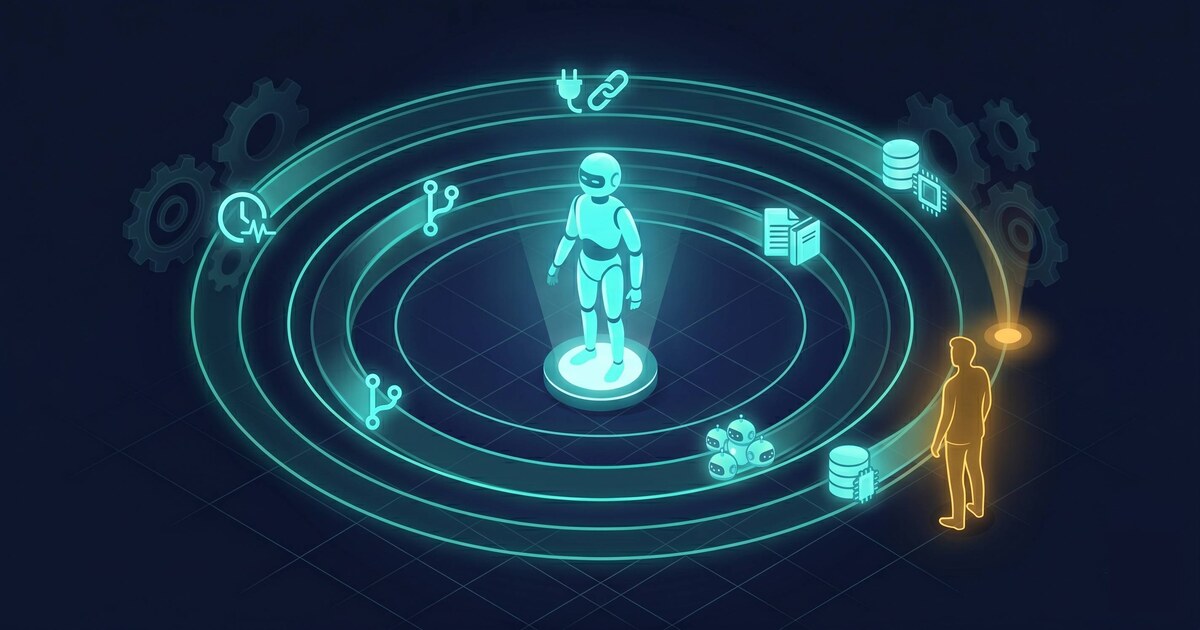
A self-running loop discovering, executing and verifying work around a human checkpoint

Loop engineering: designing the system that prompts the agent

In June 2026 Addy Osmani and Boris Cherny put a name on something that isn’t new (by the current pace of “new”, at least): loop engineering. Osmani is an engineering leader at Google Chrome and a prolific writer on web development; Cherny is one of the creators of Claude Code. They laid it out in a thread on X and a couple of essays. The one-liner that captures it is Cherny’s: “I don’t prompt Claude anymore. I have loops running that prompt Claude.” The shift is small to say and large to live with. You stop being the person who holds the tool through every turn, and you start designing the system that finds the work, hands it out, checks it, writes down what’s done, and decides the next thing. ...

June 17, 2026 · 6 min · Juanjo Payá
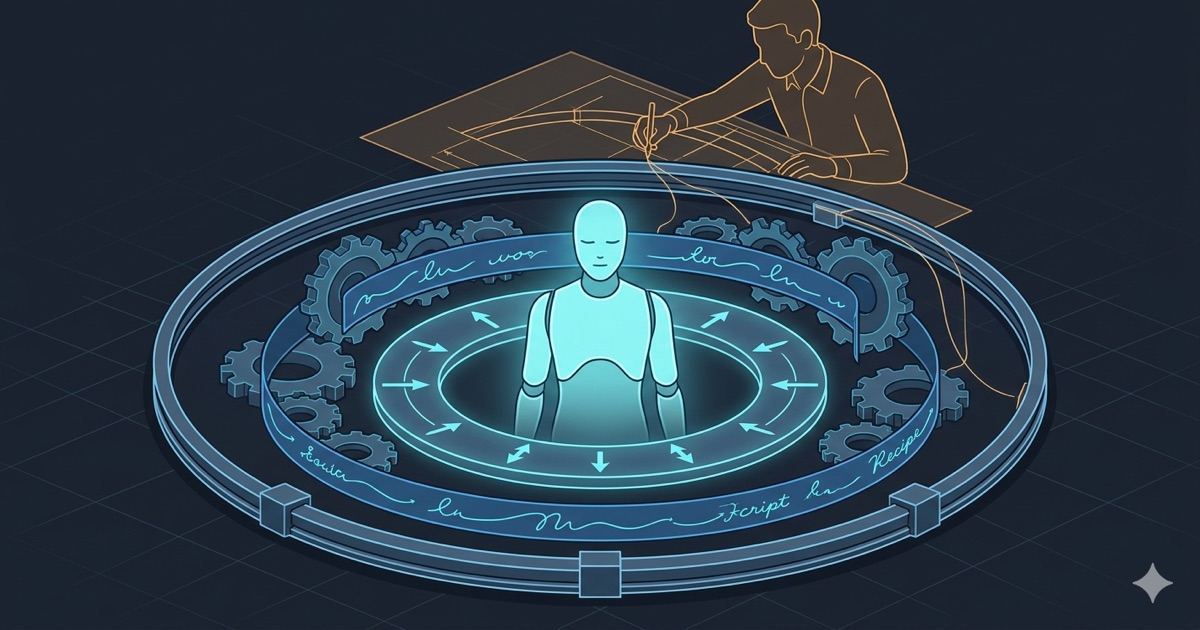
Deterministic guardrails around an AI agent workflow

What's already decided isn't up for debate: determinism in AI workflows

An AI agent is non-deterministic by design. Ask it the same thing twice and you get two different answers. Most of the time that doesn’t matter: two equally valid ways of phrasing a commit message, two reasonable ways to explain a bug. Sometimes it’s even desirable, because the creative part lives precisely in that margin. Until you hit decisions that admit no margin. “Never push to master.” “Always create a branch + worktree before touching anything.” “Talk to GitHub via the MCP, never curl.” These decisions are already made (by me, by the team, by some past operational scar). I don’t want the agent re-litigating them every session. ...

May 13, 2026 · 6 min · Juanjo Payá
Context window limit in AI-augmented development

Context window: when your AI agent starts forgetting

Everything starts great. You give your AI agent instructions, it follows them to the letter. You define policies, it complies. You pass it work protocols, it executes them. It is fast, precise, and never complains. Until one day it stops. No error. No warning. It simply ignores rules it used to follow. It makes stupid mistakes. It repeats questions you already answered. What changed? The answer is the context window — we get into the work and stop paying enough attention to it. ...

April 14, 2026 · 8 min · Juanjo Payá
Developer facing AI fears and opportunities

AI will not replace you. But it will multiply you — careful with being zero

There is a lot of fear around AI right now. Every week a new headline says developers are finished. That AI writes code better and faster than any human. That junior developers will not be hired anymore. That the entire profession has an expiration date. I understand the anxiety. If you have spent years learning your craft, seeing a machine generate in seconds what took you hours feels threatening. But I have been working with an AI agent as a daily collaborator for months now — and what I see is the opposite of replacement. I see amplification. ...

April 7, 2026 · 10 min · Juanjo Payá
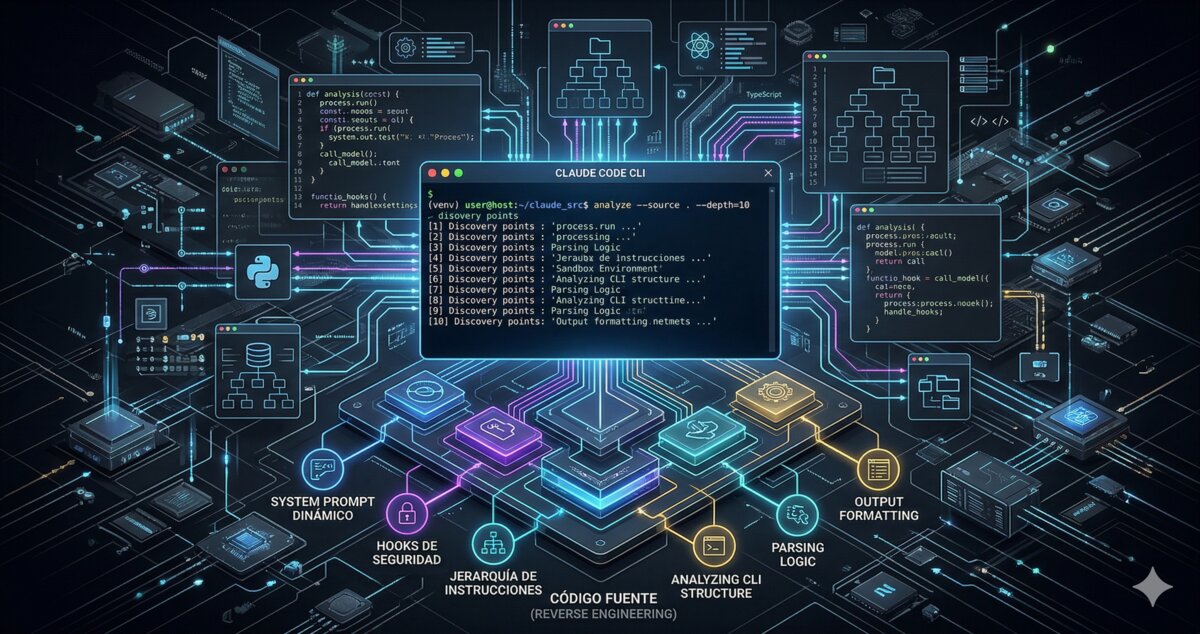
Claude Code internals analysis

Inside Claude Code: 10 interesting things from analyzing its source code

On March 31, 2026, the Claude Code source code was briefly exposed. A Korean developer named Sigrid Jin made a clean-room port to Python and Rust before Anthropic took it down. The claw-code repository does not contain the original code, but it does include snapshots, subsystem metadata, and a partial runtime port that reveals how Claude Code works under the hood. Understanding how your tool works lets you use it better, so it was worth digging into it thoroughly. For obvious reasons it would take me several years to review every line of code, but that is what Jarvis is for — he got to work and abstracted away the first 50K hours of effort for me ;-) ...

April 1, 2026 · 8 min · Juanjo Payá
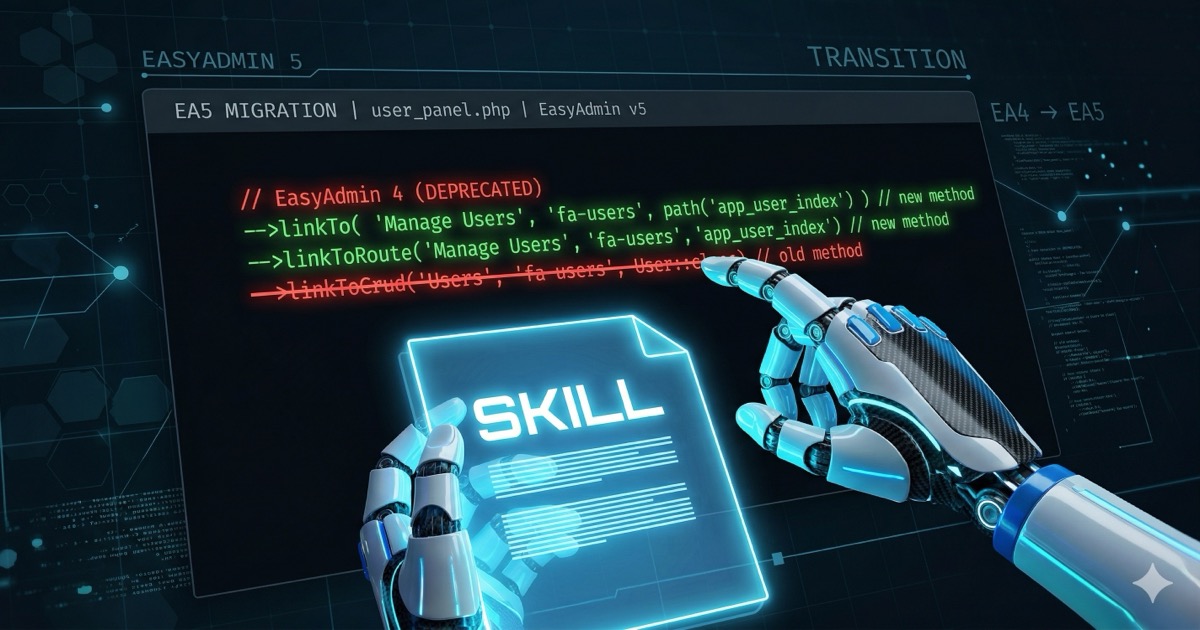
AI Skills for coding agents

AI Skills: how to give your AI agent verified knowledge it does not have

Your AI agent has a problem it does not tell you about: it does not know what it does not know. When you ask it to work with a library or tool that has changed since its training cutoff, it generates code with full confidence… using methods that no longer exist. It is not lying. It simply does not have the information. This is the knowledge cutoff problem, and it affects every model. For stable, mature technologies, the impact is small. But for libraries, bundles, and tools that evolve fast, it is a real problem that produces silent errors: code that looks correct but fails at runtime. ...

March 29, 2026 · 6 min · Juanjo Payá
Developer working with an AI agent

AI-Augmented Development: my real experience working with an AI agent

There is a lot of noise about AI and programming. Copilots, autocomplete, code generators… Most tools stop at suggesting the next line. But you can do something different, something more: work with an AI agent that operates as another developer on the team. My digital teammate is called Jarvis. It has its own GitHub account, its own Jira access, and a workflow identical to any human developer: branch, implementation, commit, pull request, code review. I have been running this system in production for months, and this is what I have learned. ...

March 26, 2026 · 6 min · Juanjo Payá