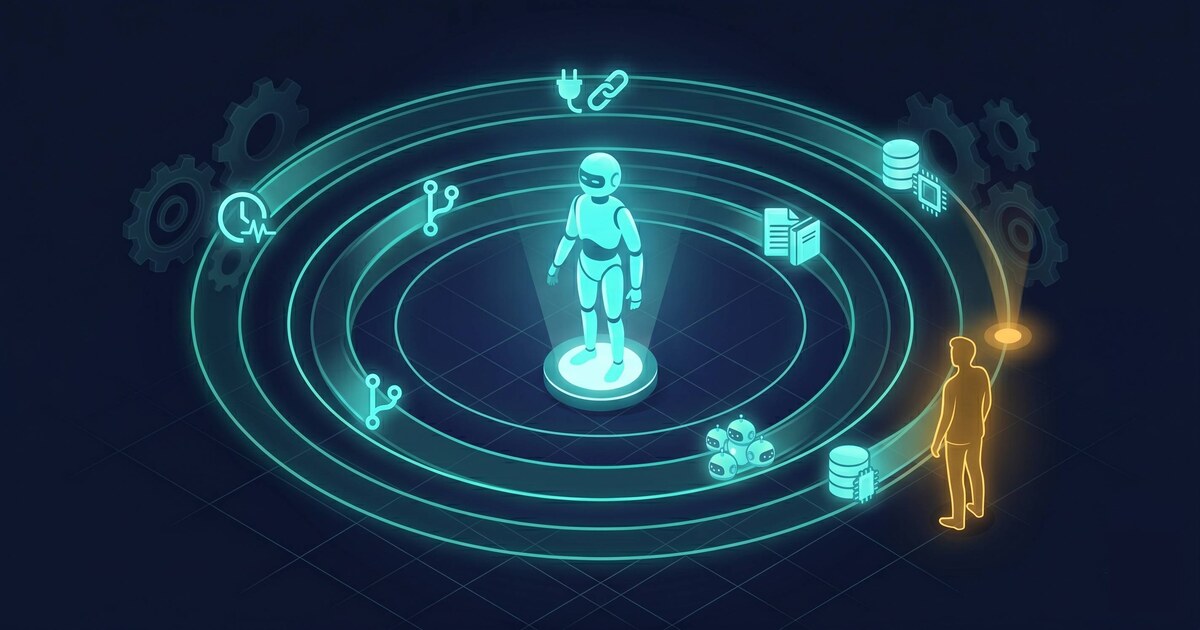
A self-running loop discovering, executing and verifying work around a human checkpoint

Loop engineering: designing the system that prompts the agent

In June 2026 Addy Osmani and Boris Cherny put a name on something that isn’t new (by the current pace of “new”, at least): loop engineering. Osmani is an engineering leader at Google Chrome and a prolific writer on web development; Cherny is one of the creators of Claude Code. They laid it out in a thread on X and a couple of essays. The one-liner that captures it is Cherny’s: “I don’t prompt Claude anymore. I have loops running that prompt Claude.” The shift is small to say and large to live with. You stop being the person who holds the tool through every turn, and you start designing the system that finds the work, hands it out, checks it, writes down what’s done, and decides the next thing. ...
June 17, 2026 · 6 min · Juanjo Payá
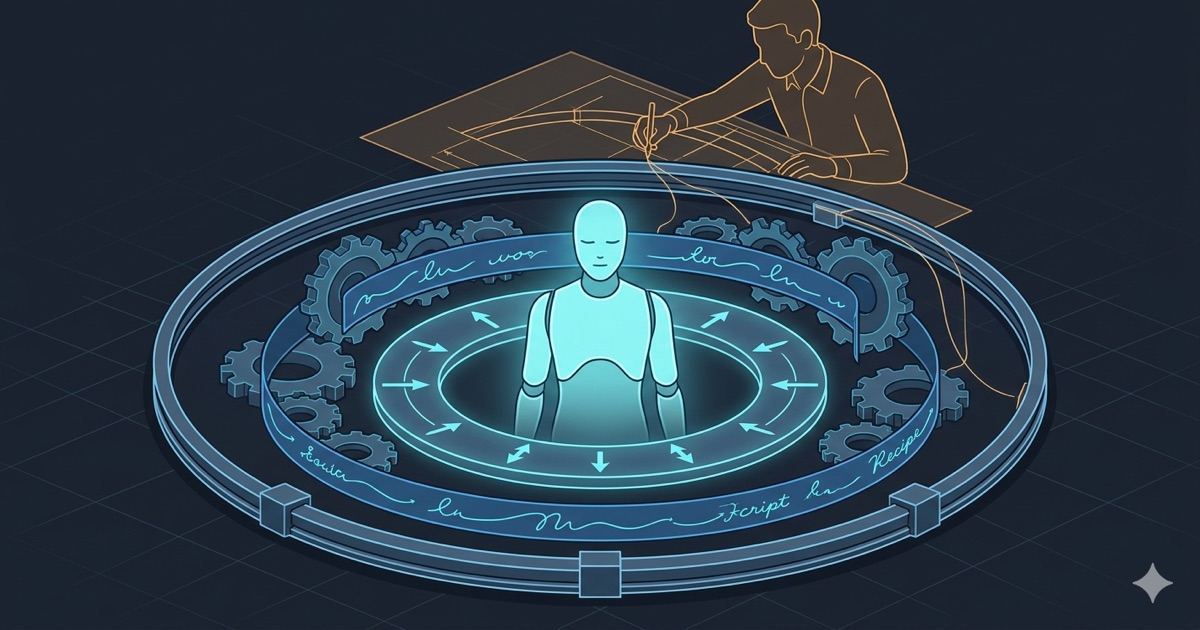
Deterministic guardrails around an AI agent workflow

What's already decided isn't up for debate: determinism in AI workflows

An AI agent is non-deterministic by design. Ask it the same thing twice and you get two different answers. Most of the time that doesn’t matter: two equally valid ways of phrasing a commit message, two reasonable ways to explain a bug. Sometimes it’s even desirable, because the creative part lives precisely in that margin. Until you hit decisions that admit no margin. “Never push to master.” “Always create a branch + worktree before touching anything.” “Talk to GitHub via the MCP, never curl.” These decisions are already made (by me, by the team, by some past operational scar). I don’t want the agent re-litigating them every session. ...

May 13, 2026 · 6 min · Juanjo Payá